
I’ve had this exact question thrown at me across a conference table more times than I can count, usually by someone who’s just discovered that their “quick fix” spreadsheet has cost them a tax penalty or an underpaid employee’s trust. There’s no single “best” answer, but there is a right answer for your specific business, and finding it starts with understanding what this software actually does under the hood.
Payroll software calculates salaries, deducts taxes, files statutory compliance, and pays employees on time, every time, without someone in finance manually cross-checking numbers at 11 p.m. on the 30th of the month. For a five-person startup, that might mean a simple tool that runs monthly salary calculations. For a 500-person company operating across three states, it means a system handling multi-jurisdiction tax rules, provident fund contributions, and audit trails that hold up under scrutiny.
If you’re a founder, CTO, or operations lead evaluating options in 2026, this is the guide I wish someone had handed me the first time I sat through five vendor demos in a single week and still couldn’t tell them apart. Let’s fix that.
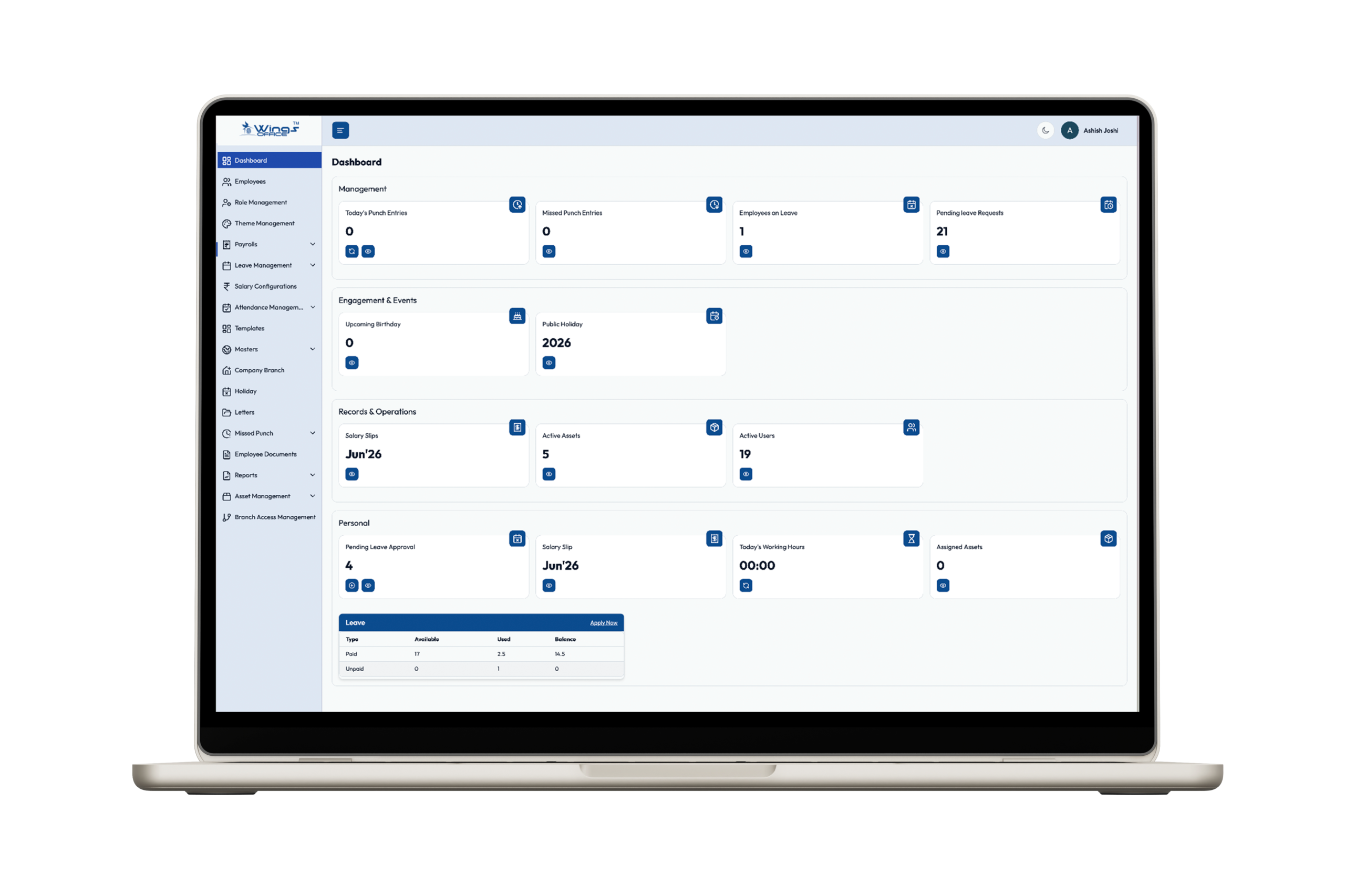
What Does Payroll Software Actually Do?
At its core, payroll software automates the process of calculating what employees are owed and getting that money to them accurately. But “accurately” is doing a lot of work in that sentence — it means factoring in tax slabs, provident fund, professional tax, leave deductions, bonuses, and reimbursements, all at once, every single pay cycle.
Beyond the calculation itself, most systems also handle:
- Statutory compliance filings (TDS, PF, ESI, professional tax)
- Payslip generation and distribution
- Bank file creation for direct salary transfers
- Attendance and leave integration, so absences automatically adjust pay
- Year-end tax documentation like Form 16
The honest part nobody tells you upfront: even the best software won’t save you if your underlying salary structure is inconsistent or your compliance data is outdated. I’ve seen companies migrate messy spreadsheet errors directly into brand-new systems and wonder why the problems didn’t disappear.
Payroll Software Price in India
Cost is usually the first question and the hardest one to answer honestly, because pricing models vary wildly. Most Indian payroll platforms charge per employee, per month, with tiers based on the features included.
Here’s a realistic breakdown of what businesses are paying in 2026:
| Business Size | Typical Price Range (per employee/month) | What You Get |
| 1–20 employees | ₹50–₹150 | Basic payroll, payslips, tax calculation |
| 21–100 employees | ₹100–₹250 | Compliance automation, attendance sync |
| 100–500 employees | Custom pricing | Multi-location compliance, dedicated support |
| 500+ employees | Custom pricing | Enterprise integrations, SLA-backed support |
A word of caution: the lowest-priced option is rarely the cheapest in practice. I’ve watched businesses save ₹20,000 a year on subscription fees and then pay double that in penalties from a missed statutory filing the “budget” tool didn’t handle. Price the total cost of ownership, not just the invoice.
What Is HR Payroll Software?
HR payroll software sits at the intersection of two functions that used to live in separate systems: human resources management and salary processing. Instead of your HR team tracking attendance and leave in one tool while finance runs payroll in another, everything connects attendance data flows directly into salary calculations, and employee records stay consistent across both functions.
This matters more than it sounds like on paper. When these systems are disconnected, someone has to manually reconcile attendance with pay every month, and that’s exactly where errors creep in: a forgotten leave request, a miscounted late arrival, or: a bonus that never made it into the final calculation.
The businesses I’ve watched benefit the most from combined HR-payroll platforms are the ones with hourly or shift-based staff, where attendance directly determines pay and manual reconciliation was eating hours of admin time every week.

How Does Payroll Software Calculate Tax?
This is where most business owners’ eyes glaze over, and understandably so Indian tax calculation involves several moving parts working together. Payroll software handles this by applying a defined sequence:
- Gross salary calculation — base pay plus allowances, bonuses, and reimbursements
- Exemption application — HRA, LTA, and other applicable exemptions based on employee declarations
- Taxable income determination — gross salary minus exemptions and standard deductions
- Tax slab application — calculating liability based on the employee’s chosen tax regime (old vs. new)
- TDS deduction — spreading the annual tax liability across monthly pay cycles
- Statutory contributions — PF, ESI, and professional tax calculated and deducted separately
Good software updates these calculations automatically when tax regulations change, which matters because manual updates are where most compliance failures originate. If your current tool requires someone to manually adjust tax logic every budget cycle, that’s a warning sign worth taking seriously.
Which Payroll Software Is Best in India?
There’s genuinely no universal winner here, and I’d be lying if I told you otherwise. The right choice depends on your headcount, industry compliance needs, and whether you need payroll alone or a fuller HR suite. That said, a few names consistently come up as strong performers for Indian businesses in 2026:
- Wings Office—well-suited for growing SMEs needing strong compliance automation.
- RazorpayX Payroll — fast, straightforward, ideal if you’re already using Razorpay for banking.
- Zoho Payroll — budget-friendly, integrates cleanly with other Zoho tools.
- GreytHR — solid mid-market choice with dependable statutory support.
- Keka — built for larger, more complex organisational structures.
My advice before signing anything: request a sandbox trial with your actual salary structure loaded in, not a demo dataset. That’s where hidden gaps in compliance logic or reporting show up before you’re locked into a contract.
Frequently Asked Questions
- What is the best payroll software for small businesses in India?
For teams under 50 employees, tools like Zoho Payroll or RazorpayX Payroll tend to offer the best balance of affordability and compliance coverage without unnecessary complexity. - How much does payroll software cost per employee in India?
Pricing generally ranges between ₹50 and ₹400 per employee per month, depending on the features included and the level of compliance automation required. - Does payroll software calculate income tax automatically?
Yes, most established platforms calculate TDS automatically based on the employee’s declared tax regime, applying current slab rates and exemptions without manual intervention. - Is payroll software safe for storing employee salary data?
Reputable platforms use encryption and role-based access controls, though it’s worth confirming a vendor’s data security certifications before onboarding sensitive salary information. - Can payroll software handle multi-state compliance in India?
Established platforms built for Indian businesses typically support state-specific professional tax rules and multi-location statutory filings, though this varies by vendor and should be confirmed during evaluation.
Final Thoughts
Choosing payroll software for business isn’t really a software decision; it’s a compliance and trust decision wearing a software costume. Get it right, and your team gets paid accurately and on time without anyone noticing the effort behind it. Get it wrong, and you’re the one explaining a missed filing or an underpaid employee to people who didn’t sign up to be patient about it.
If you’re comparing the best payroll software on the market, don’t just chase feature lists; map your actual headcount, compliance complexity, and whether attendance management for employees needs to sync directly with pay calculations. That’s usually where the real difference between platforms shows up.
And if this evaluation is part of a bigger conversation building a custom payroll integration, an internal HR dashboard, or connecting your existing systems into one clean workflow, that’s exactly the kind of digital product work worth discussing before you commit to a vendor in either direction.